
Dragon Quest VII Reimagined: Moonlighting Guide
Moonlighting lets you combine two vocations in Dragon Quest VII Reimagined. Learn what changes and how to choose a pairing without chasing a tier list.
01 / Moonlighting combines two jobs on one character
Moonlighting combines two jobs on one character
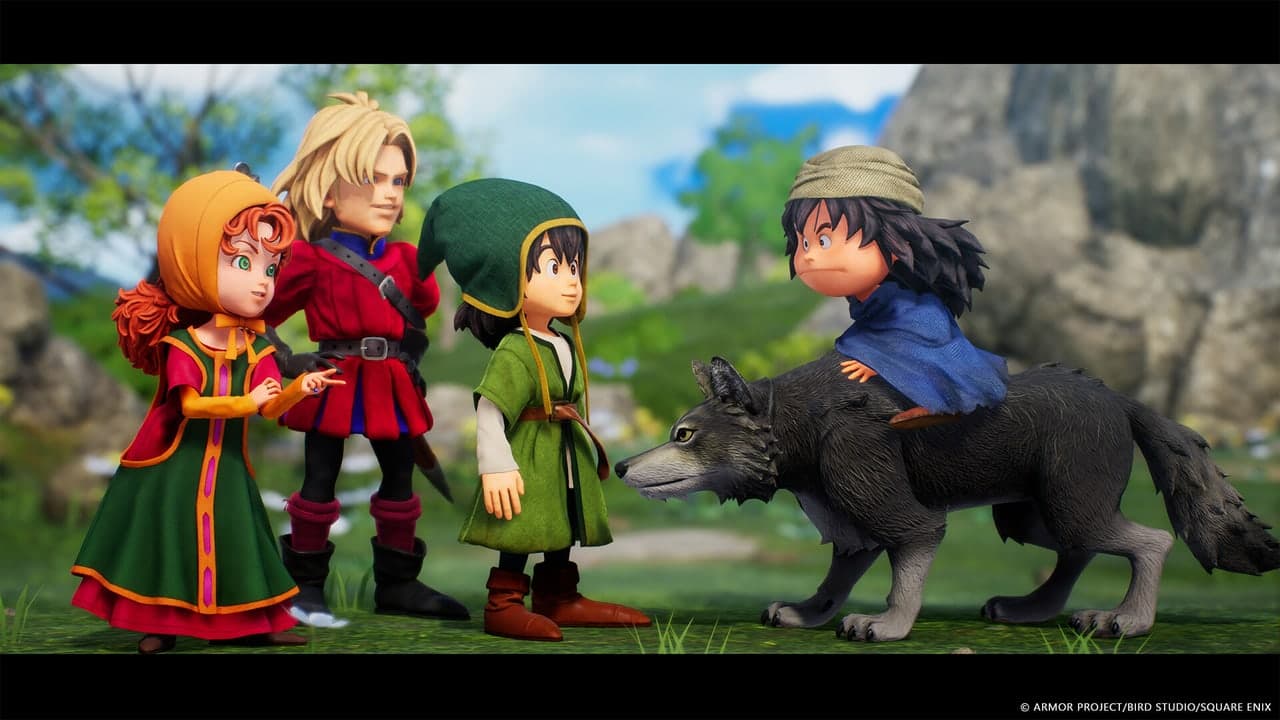
In Dragon Quest VII Reimagined, Moonlighting lets a character use two vocations at once. Square Enix says this gives access to both sets of skills, spells and vocational perks. Producer Takeshi Ichikawa also explains that their attributes combine, affecting the character's capabilities.
This is a later progression feature. First the story makes vocation changes available; Moonlighting comes further on. If you have only just started, the absence of a second vocation slot is not evidence that you have built your character incorrectly.
02 / Choose a second vocation to solve a specific problem
Choose a second vocation to solve a specific problem
You want a dedicated physical attacker
Warrior plus martial artist.This is one of the producer's examples. Use it as a direction to explore, not a promise of the strongest build at every stage.
You want a fighter with broader support
Warrior plus priest.The producer offers this as a balanced alternative. Decide whether extra flexibility addresses a gap in your current party.
You have unlocked an intermediate vocation
Compare it with your existing role.Intermediate vocations can also be used in Moonlighting. A more advanced name is not, by itself, a reason to abandon a useful combination.
Every party member wants the same new job
Check coverage before changing everyone.Our advice: make sure the party can still perform the jobs you rely on, rather than testing several unfamiliar combinations at once.
03 / A long-term unlock is different from an immediate fix
A long-term unlock is different from an immediate fix
The developer describes mastering beginner vocations as the route towards intermediate ones. That creates two separate reasons for a choice: what helps in the next battle and what you want the character to unlock later.
Keep those reasons distinct. If a difficult encounter has exposed a weakness, solve that weakness first. If the party is already comfortable, you have more room to train towards a future option. A progression plan should serve your adventure, not turn every fight into an obligation to follow somebody else's chart.
04 / A simple way to evaluate a pairing
A simple way to evaluate a pairing
- Name the character's main jobWrite a short role such as physical damage, recovery or flexible support. If you cannot describe what you want the character to do, another vocation is unlikely to clarify it.
- Read the actual skills and perksCheck what is available on your current character. A recommendation based on a mastered vocation may not describe the tools you have right now.
- Change one combination at a timeKeep the rest of the party familiar while you assess the new pairing. That makes it easier to tell whether the change solved your problem or merely changed the numbers.
- Judge more than the biggest attackNotice whether you are running short of useful options, needing too much recovery or repeating actions that do not help. Use those observations to decide the next adjustment.
- Check which edition a guide coversReimagined adds Moonlighting. A vocation chart written for an older Dragon Quest VII release should not be treated as a complete explanation of this version.
05 / Begin with a role, not a perfect build
Begin with a role, not a perfect build
Moonlighting is most useful when the second vocation has a clear purpose: strengthen something you already do well or cover something you are missing. The producer's warrior pairings demonstrate both approaches.
Choose one reason, try the combination and assess it in your own party. You do not need to memorise every future vocation before making a sensible decision with the options currently available.