
Halloween Game: Solo or Multiplayer?
Halloween supports a standalone solo story and asymmetrical multiplayer. Compare the pressure, teamwork and pace before choosing how to play.
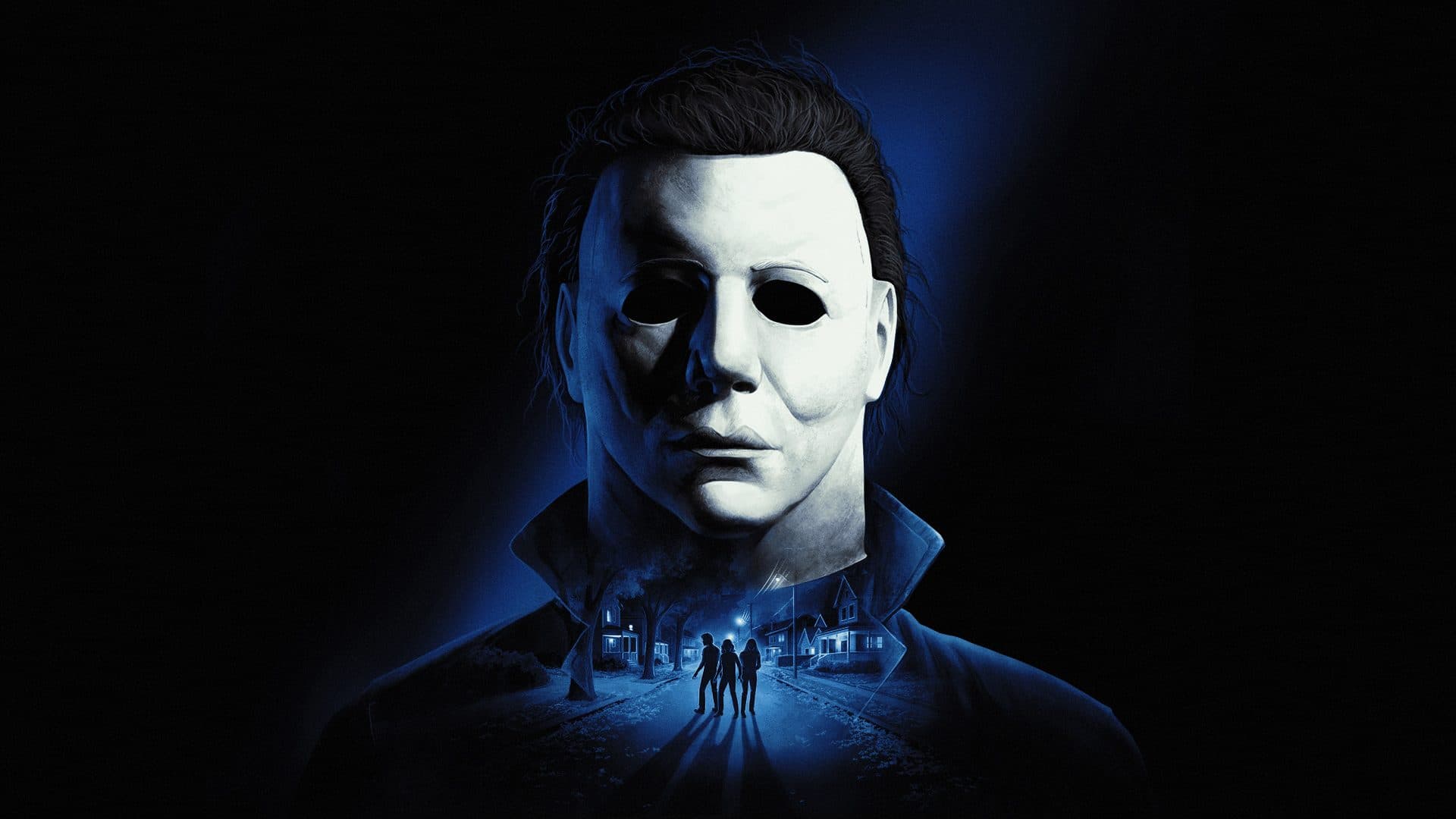
01 / The short answer
The short answer
Halloween supports both a standalone single-player story and asymmetrical multiplayer. Choose solo when you want Haddonfield, suspense and a complete horror sequence without depending on strangers or a regular group. Choose multiplayer when the appeal is an unpredictable contest between Michael Myers and human-controlled survivors, where communication and other people create the tension.
The two modes solve different needs. Solo can control pacing, teach systems and preserve atmosphere. Multiplayer creates stories that repeatable scripted encounters cannot, but match quality depends on population, balance and player behaviour. Do not buy only because both labels are present. Buy when at least one mode would justify the game on its own, then treat the other as added value after its final quality and support are verified.
Best forChoose solo for controlled pacing and a self-contained Haddonfield story.
Think twice ifChoose multiplayer when unpredictable human behaviour, teamwork and repeated cat-and-mouse matches are the main attraction.
02 / Solo is the clearer choice for atmosphere and personal pace
Solo is the clearer choice for atmosphere and personal pace
The official PlayStation announcement describes a standalone single-player story. That wording matters because solo is presented as its own experience rather than an empty practice room. A story mode can control when Michael appears, how spaces reveal information and how long tension is allowed to build. It also gives a player time to understand objectives without teammates demanding immediate efficiency.
Choose solo if horror works best when the room is quiet, if online competition makes you self-conscious, or if irregular playtime makes group progress unreliable. The remaining questions are length, replay value and how much the story changes through player action. Those require the finished game or disclosed hands-on evidence. The confirmed value is a dedicated route for people who want Halloween without a multiplayer commitment.
03 / The decision signals that matter
The decision signals that matter
Compare the confirmed facts with the way you actually want to play.
Solo route
The official announcement describes a standalone single-player story.Use this confirmed solo route when comparing the available paths.
Online mode
Dynamic asymmetrical multiplayer matches are confirmed.Use this confirmed online mode when comparing the available paths.
Different pressure
Solo controls pacing while multiplayer depends on human behaviour.Use this confirmed different pressure when comparing the available paths.
Check later
Final cross-play, subscriptions and population need current launch evidence.Use this confirmed check later when comparing the available paths.
04 / Multiplayer replaces predictable scares with human decisions
Multiplayer replaces predictable scares with human decisions
Asymmetrical play gives different responsibilities to the killer and the people trying to survive. Michael can create pressure by controlling space and timing. Survivors need information, coordination and enough composure to complete objectives while plans break. The horror comes from not knowing exactly what another person will do, even on a familiar map.
That unpredictability creates replay, but it also creates friction. Matchmaking time, team communication, balance updates and player conduct affect the experience. A brilliant licence cannot guarantee a healthy long-term queue. If multiplayer is the only reason to buy, check current population signals, regional matchmaking and platform requirements near release. A trailer can confirm the mode, not the quality of every future evening.
05 / Playing Michael and surviving Haddonfield satisfy opposite instincts
Playing Michael and surviving Haddonfield satisfy opposite instincts
The killer role fits a player who enjoys controlling tempo, predicting routes and creating pressure without needing constant action. It can also carry more responsibility because one mistake or balance issue is visible to everyone. Survivor play fits people who enjoy shared problem solving, reacting under pressure and recovering when another player changes the plan.
A group should discuss roles before buying together. If everyone wants to be Michael, the game night may depend on rotation or public matchmaking. If nobody enjoys pursuit pressure, the licence alone will not create fun. The useful comparison is not which side is stronger. It is whether you want to author the threat, solve it with others, or experience a more controlled solo version of the same place.
06 / Who this decision fits
Who this decision fits
A strong fit when
- Halloween supports both a standalone single-player story and asymmetrical multiplayer.
- Choose solo if horror works best when the room is quiet, if online competition makes you self-conscious, or if irregular playtime makes group progress unreliable.
- Decide between authored atmosphere and the uncertainty created by other players.
Think twice when
- Choose multiplayer when unpredictable human behaviour, teamwork and repeated cat-and-mouse matches are the main attraction.
- If either rhythm clashes with your routine, the presence of two modes does not solve the underlying fit problem.
- At least one confirmed mode should justify the purchase without depending on the other.
07 / The best mode depends on whether repetition reduces or deepens fear
The best mode depends on whether repetition reduces or deepens fear
A scripted story can preserve surprise because encounters arrive in a deliberate order. Once completed, that exact structure may lose some uncertainty. Multiplayer reuses locations and rules, but human choices can make the same space dangerous in a different way. Some players find mastery reduces fear and becomes satisfying competition. Others lose interest when horror turns into routes, timers and optimal play.
Choose solo when novelty and atmosphere are the main reason to enter Haddonfield. Choose multiplayer when learning the map and reading opponents sounds like the beginning rather than the end. If both appeal, start with the story so controls and spaces have context, then move online when you want other players to disrupt that knowledge.
08 / Wait for final network facts when the group plan depends on them
Wait for final network facts when the group plan depends on them
Platform lists, cross-play, party size, local play, subscription requirements and progression must be confirmed from current official product pages. Do not assume that an asymmetrical horror game has the same rules as another title in the genre. In particular, online multiplayer does not automatically mean couch multiplayer or unrestricted cross-platform parties.
Buy early only if the confirmed mode and platform already solve your need and the normal risks of an online launch are acceptable. Wait when your friends are split across systems, when one missing feature would break the group plan, or when solo length determines value. The responsible guide leaves an unknown visible until the publisher replaces it with a fact.
10 / Start with the mode that protects the feeling you came for
Start with the mode that protects the feeling you came for
A horror fan who wants tension, place and a controlled first encounter should begin with the solo story. Learning the spaces without voice chat gives sound, sightlines and pursuit more room to work. A group that mainly wants a repeatable Friday night game should begin with multiplayer, because the unpredictable decisions of friends and opponents are the actual value.
Do not force both modes into one verdict. A strong campaign can justify the game for someone who never wants competitive play. A strong multiplayer loop can justify it for a group that does not care about replaying a scripted story. The useful buying question is which half must succeed for you. Treat the other half as additional value until official launch details and independent network testing show how reliably it works.
For groups, also decide who is willing to play the threat and whether repeated role imbalance will create arguments. For solo players, decide whether a familiar film setting is enough to carry repeated stealth and escape attempts. Those practical answers predict long-term use better than a general claim that the game offers more than one mode.
One final check is session control. Solo should let you stop without wasting another person’s time. Multiplayer should reach a meaningful match quickly enough for the evenings your group actually has. If either rhythm clashes with your routine, the presence of two modes does not solve the underlying fit problem.
11 / Before you commit
Before you commit
- 01
Choose your fear
Decide between authored atmosphere and the uncertainty created by other players.
- 02
Choose your role
Confirm whether your group actually wants killer rotation, survivor teamwork or both.
- 03
Verify the network
Check cross-play, party and platform requirements before planning a shared purchase.
- 04
Buy for one mode
At least one confirmed mode should justify the purchase without depending on the other.
12 / Common questions
Common questions
Does the Halloween game have single-player?
Yes. The official PlayStation announcement describes a standalone single-player story.
Is Halloween an asymmetrical multiplayer game?
Yes. Dynamic asymmetrical multiplayer matches are part of the official description.
Should you start with solo?
Solo is the sensible start when you want controlled pacing, system learning and atmosphere before other players change the rhythm.
Does online multiplayer confirm local split-screen?
No. Do not assume local play or any cross-platform feature until the current official product listing confirms it.