
Slay the Spire 2 Co-op: Plan Your First Group Run
Slay the Spire 2 supports online co-op for up to four players. Check Steam access, matchmaking limits and group expectations before your first run.
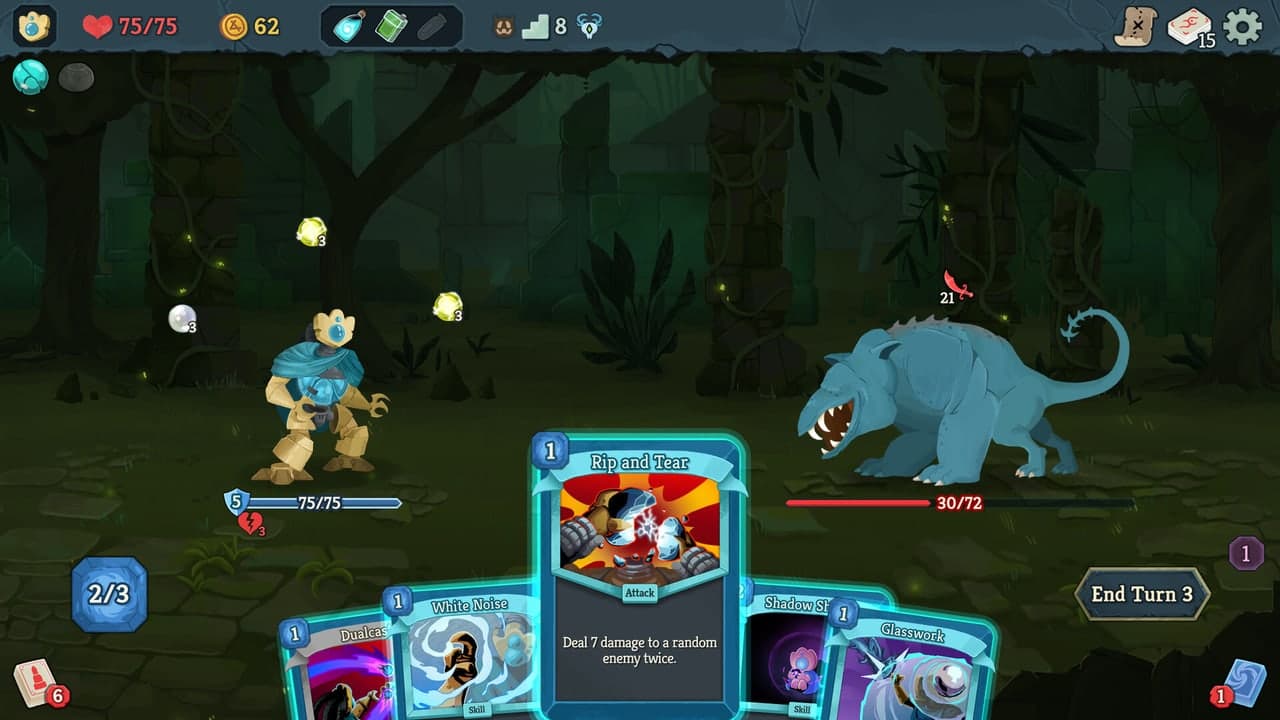
01 / Bring your own group, not a matchmaking queue
Bring your own group, not a matchmaking queue
Slay the Spire 2 has online co-op for up to four players. Mega Crit's current FAQ says there is no matchmaking: multiplayer uses Steam friends. During Early Access, the game is available through Steam on Windows, macOS and Linux, with Steam Deck compatibility also confirmed.
That makes it a practical option for an existing group, but not a promise that the game will find you three companions. If your plan is to buy it and immediately join random players, arrange the group first.
02 / Check the plan before everyone buys
Check the plan before everyone buys
Two to four friends
The supported co-op group size.Agree who is joining before choosing an evening. You do not need to fill all four places just because four are available.
Someone on a console or phone
Do not count on a current version.Mega Crit describes console and mobile releases as future plans, likely after Early Access. The original game's platform list does not establish sequel compatibility.
No established group
No automatic matchmaking.Choose solo play or organise companions separately. A community invitation is not a built-in public queue.
A Steam Deck player
Supported by the developer.Check that reading cards on the handheld suits that person. Compatibility is not the same as enjoying small text for a whole session.
03 / The interesting difference is coordination, not extra spectators
The interesting difference is coordination, not extra spectators
The official Steam description highlights multiplayer-specific cards and team synergies. Co-op is therefore worth considering for the shared decisions, not simply because it adds more people to a familiar name.
Our suggested first-run rule is to discuss intentions without taking over another player's choices. An experienced deckbuilder can explain why a combination looks promising, then let the newcomer choose whether to try it. If one person dictates every card, the others may spend the evening watching a puzzle they expected to help solve.
04 / A useful first-session agreement
A useful first-session agreement
- Decide whether you are learning or optimisingChoose a discovery run if anyone wants to read new cards and experiment. Save detailed outside build advice for a group that actually wants it.
- Ask before explaining every unfamiliar encounterSome friends want warnings; others enjoy surprises. Agree on spoiler boundaries before the first unexpected choice, not after someone has explained the solution.
- Choose how you will communicatePick a conversation channel everyone can hear and use comfortably. Do a quick audio check before starting so discussions do not become repeated explanations.
- Leave room for Early Access changesMega Crit says content and balance will evolve. Treat an old card recommendation as something to recheck against the current game, not a permanent instruction.
- Discuss interruptions upfrontDo not make an evening depend on an unverified promise about substituting players or resuming a specific multiplayer save. If someone has a hard stop, agree what the group will do when it arrives.
05 / Who should start together?
Who should start together?
Start in co-op if your group enjoys discussing possibilities and can leave space for different learning speeds. Start solo if you want to read every card at your own pace or would rather discover combinations privately before explaining them.
The strongest reason to play together is wanting to make decisions together. Familiarity with the first game helps a conversation, but it should not become a requirement imposed on the least experienced person.